
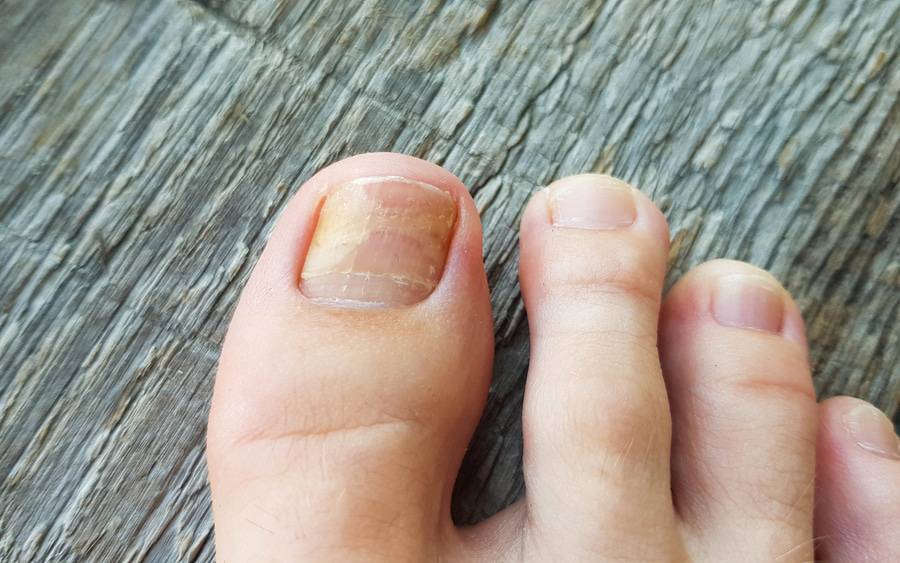
How Do You Get Rid of Fungal Toenails?
If you’ve treated a toenail fungus infection only to see it return months later, you’re not alone. Recurrent fungal toenail infections (also known as onychomycosis) are one of the most common concerns we see in our podiatry clinic. Many patients feel frustrated after trying creams, lacquers, or home remedies with little long-term success. Understanding why fungal toenails keep coming back is the first step toward effective, lasting treatment.
The Problem: Recurrent Fungal Toenail Infections
Fungal toenails are notoriously stubborn. Even when the nail looks better on the surface, the infection can still be hiding underneath or within the nail bed. Because toenails grow slowly, fungi have plenty of time to survive and re-infect the nail.
Without proper diagnosis and professional treatment, fungal toenail infections often become chronic, including the symptoms:
- Thickened, yellow, or brittle nails
- Nail lifting or crumbling
- Discomfort in shoes
- Spread to other toenails or skin (athlete’s foot)
Reasons Why Your Fungal Toenail Is Not Getting Better
There are several common reasons toenail fungus may not go away on it’s own or return after treatment:
1. Over the counter products
Many over-the-counter antifungal treatments don’t penetrate deeply enough into the nail. Stopping treatment too early, before healthy nail growth fully replaces the infected nail, allows the fungus to return. Even the commonly prescribed treatment, oral antifungal drugs, have a varied record of success (60-80 percent effectiveness). If you’ve tried products yourself and they’ve not worked, this is not your fault, professional care may be needed.
2. Reinfection from Shoes and Socks
Fungal spores can live in shoes, socks, and nail tools. If these aren’t properly cleaned or replaced, they can continuously reintroduce the infection.
3. Underlying Health or Nail Issues
Conditions such as diabetes, poor circulation, weakened immunity, or nail trauma can increase the risk of recurring fungal nail infections and make them harder to clear.
4. Treating the Nail but Not the Skin
Athlete’s foot (fungal skin infection) often coexists with toenail fungus. If the skin infection isn’t treated at the same time, the fungus can easily spread back to the nail.
5. Incorrect Diagnosis
Not all thick or discoloured nails are fungal. Psoriasis, trauma, or other nail disorders can mimic fungal infections, meaning antifungal treatments may be ineffective.
The Solution:
Time to Try Professional Podiatry Treatment for Fungal Nails
Our highly-qualified podiatrists can accurately diagnose fungal toenails and create a personalised treatment plan. So, you can finally say goodbye to your stubborn problem. This plan may include:
- Diagnosis of fungal nail, to rule out other nail disorders which can mimic symptoms and not respond to treatment
- Professional nail reduction for effective absorption of treatment, as well as skin care to ensure fungus hasn’t and won’t spread.
- Podiatrist-approved and prescription antifungal treatments – these are higher strength than over-the-counter, with a more established track-record of success.
- Laser treatment – pain-free technique which uses targeted light to penetrate the nail while destroying fungal pathogens, without harming skin, to promote healthy nail regrowth.
- Long-term monitoring to ensure the infection fully clears.
Did you know? Treating fungal toenails early reduces the chance of it coming back.
Try these tips to prevent your fungal toenail spreading:
- Disinfect your shoes: Use an antifungal shoe spray or powder daily and rotate shoes to fully dry.
- Choose breathable footwear: Wear moisture-wicking socks and breathable shoes to reduce sweat and stop toenail fungus from thriving.
- Change sweaty shoes and socks immediately: Damp footwear increases the risk of fungal nail infection.
- Treat skin infections early: Athlete’s foot can quickly spread to the nails. Early treatment helps prevent toenail fungus from returning.
- Wash and dry your feet daily: Use warm water and mild soap, drying thoroughly between toes to support toenail fungus prevention.
- Trim toenails correctly: Cut nails straight across using clean tools. Never share nail clippers to reduce fungal spread.
- Limit nail polish use: Continuous polish traps moisture. Take regular breaks to keep nails healthy and support toenail fungus treatment success.
Book With Us to Start Treatment
If your fungal toenail keeps coming back, don’t wait for it to worsen. Our experienced podiatrists, at our Wirral-based Podiatry Clinic, provide effective and evidence-based fungal toenail treatment tailored to your needs. Let’s get it sorted together.
Book an appointment with us today and take the first step toward clearer, healthier toenails that last. Click the button below or give us a call 0151 458 2984.